
Category: News

  • Recent Trends and Enduring Disparities in UC/CSU Eligibility Among Inland Empire High School Graduates 

    Recent Trends and Enduring Disparities in UC/CSU Eligibility Among Inland Empire High School Graduates 

    California is grappling with a critical issue in its public education system: a low A-G completion rate among some high school student demographics. The A-G requirements, a sequence of 15 high school courses that students must complete to be eligible for admission to the University of California (UC) and California State University (CSU) systems, serve as a benchmark for academic preparedness for postsecondary education. Data about the Inland Empire have highlighted an even more concerning disparity in this region, with only 48% of high school students meeting the A-G requirements, trailing behind the state average of 52% for California and the average for surrounding counties (60% for Los Angeles County and 57% for Orange County). This discrepancy not only shows the educational challenges within an extremely diverse region but also underscores the broader implications for students’ future opportunities in a limited economic landscape. 

    The A-G course sequence encompasses various subject areas, including History, English, Math, Science, Foreign Language, Visual and Performing Arts, and college-preparatory elective courses. Completion of these classes with a grade of C or better is essential for students aspiring to enter California’s public university systems. The lower completion rate in the Inland Empire suggests that a significant portion of students either do not have access to these courses, face challenges in meeting the required standards, or both. 

    Economic Disparities and Resource Limitations 

    Several factors contribute to the region’s lower A-G completion rate. Socioeconomic disparities, resource limitations in schools, and varying levels of academic support play pivotal roles, all of which contribute to reinforcing an already unequal access to higher education in the region. According to 2023 data, in Riverside and San Bernardino Counties, African American and Hispanic students had lower A-G completion rates at 41% and 44% respectively, compared to their white and Asian counterparts at 53% and 79%. These percentages have plateaued since a year before the pandemic, in contrast to the growth experienced across all demographics from 2014 through 2019. 

    The Inland Empire includes areas with high poverty rates and communities that educational institutions have historically underserved. Schools in these areas often grapple with insufficient funding, and a shortage of qualified teachers, particularly in subjects required for A-G compliance, as well as a shortage in school and college counselors.  Therefore, students from certain schools or even certain school districts may be unable to enroll in the necessary courses or receive the level of instruction and support needed to succeed. 

    A-G Completion and Its Impact on the Regional Economy 

    The impact of this educational shortfall extends beyond individual students’ academic trajectories. The lower A-G completion rate can contribute to hindering Governor Newsom’s goal of reaching a 70% postsecondary attainment by 2030 in the state of California as well as the region’s ability to cultivate a competitive workforce in the increasingly knowledge-based economy. As higher education becomes more crucial for career success, students without the requisite preparation may find their opportunities for economic advancement significantly limited. This scenario not only affects the students and their families but also constrains the economic diversification and development of the Inland Empire itself. 

    What Do Students Need to Complete A-G Courses? 

    Addressing this issue requires a multifaceted approach. Schools need additional resources to ensure all students have access to A-G courses and the support structures necessary to succeed. This includes digging deeper into why students are not meeting the requirements, investing in qualified teaching staff, providing academic counseling and tutoring services, and creating initiatives that raise awareness about the importance of A-G completion among students and parents. Many parents and students are not aware of these requirements and only learn about them when it is too late to remedy the situation. Additionally, partnerships between educational institutions, local governments, and community organizations can foster programs that target the root causes of the low A-G completion rate, such as economic inequality and educational disparities as well as lack of awareness. 

    The A-G completion rate disparity in the Inland Empire, a region that -according to a recent GIA study– assigns great value to higher education, is a complex issue that demands comprehensive solutions. By recognizing the factors contributing to this challenge and implementing targeted interventions, there is potential to improve educational outcomes for students in the region as well as to enhance the overall economic and social well-being of the Inland Empire. Ensuring that all students have the opportunity and support to meet A-G requirements is an essential step towards equity.
     

  • Stream: Uplift San Bernardino Radio Show Featuring Dr. Ashish Vaidya

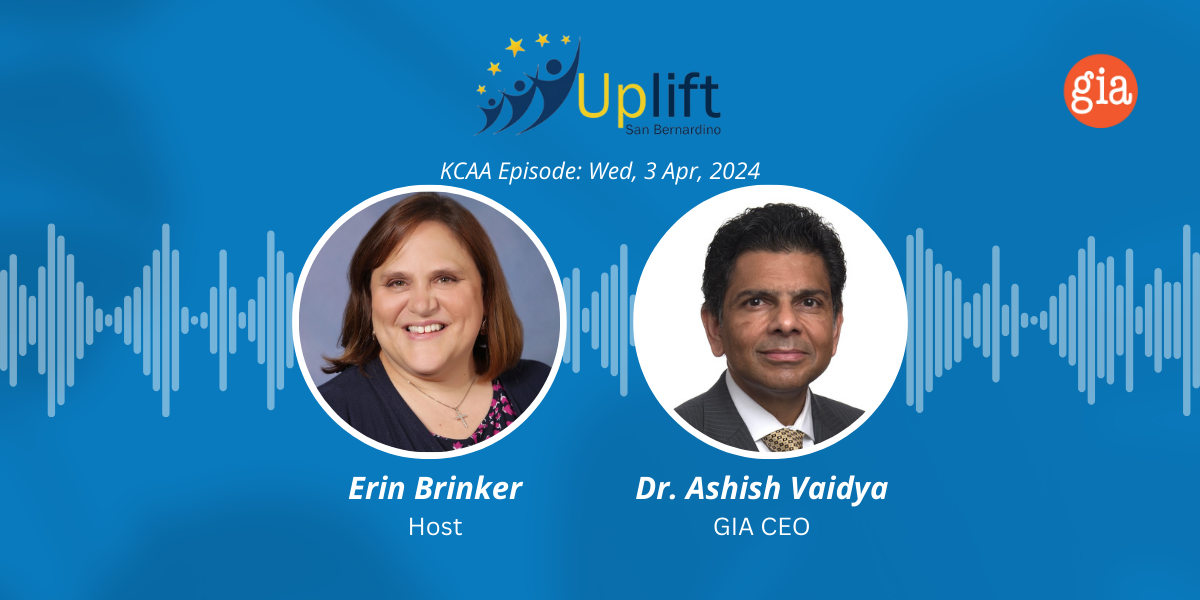
    Stream: Uplift San Bernardino Radio Show Featuring Dr. Ashish Vaidya

    Stream Uplift San Bernardino Radio Show’s latest episode and hear GIA’s CEO, Dr. Ashish Vaidya engage in a thought-provoking discussion on the correlation between education and economic prosperity in the Inland Empire. Dr. Vaidya delves into the transformative power of education and explores its role in shaping individuals and communities.

  • Education Insight: Navigating the National Financial Aid Crisis

    Education Insight: Navigating the National Financial Aid Crisis

    About This Episode

    Season 4. Episode 2.

    Step into the latest episode of Education Insight with your host, Lacey Kendall, as we embark on a comprehensive exploration of the nationwide tumult surrounding financial aid applications. Initially conceived as a streamlined process to facilitate easier access to educational funding, the federal system now finds itself entangled in a series of issues causing significant delays for FAFSA, CADAA, and Pell Grant applicants across the nation.

    In this episode, we untangle the complexities of this unexpected federal mess, unraveling the root causes and examining the ripple effects on students, administrators, and dedicated financial aid professionals. From the initial plans to the current challenges, we aim to provide a comprehensive overview of the evolving landscape and the vital information you need to navigate through these turbulent times.

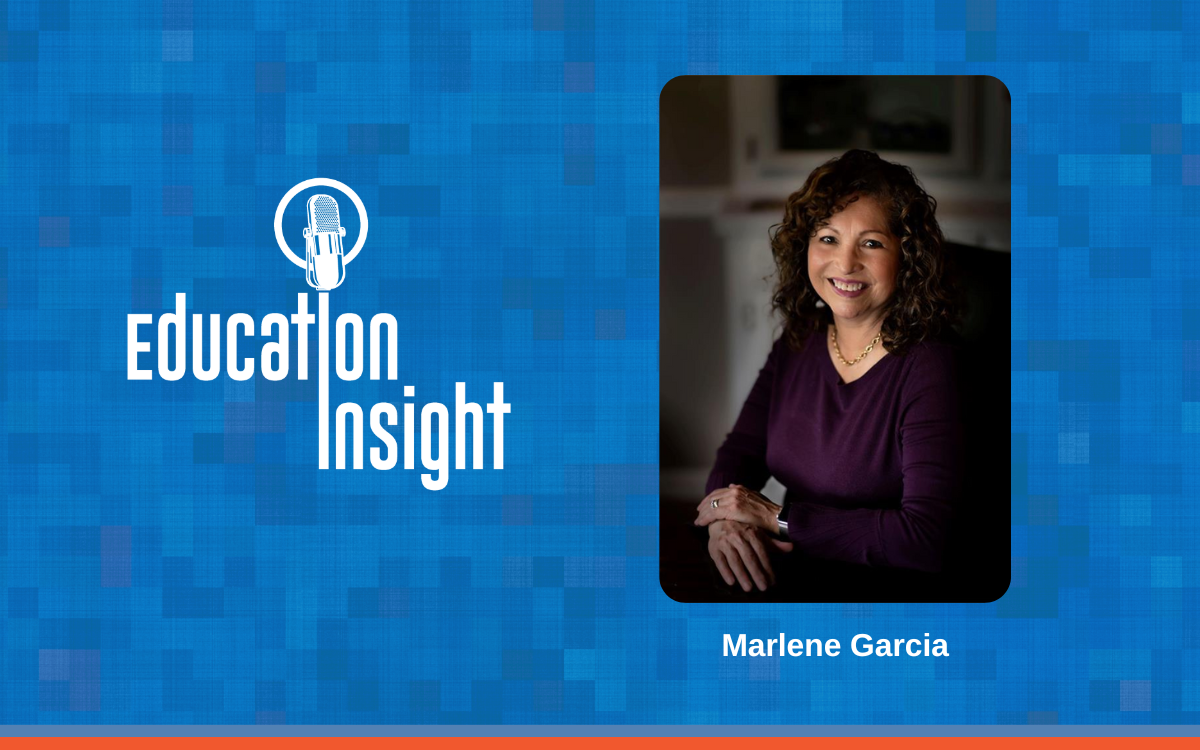
    Our esteemed guest, Marlene Garcia, the Executive Director of the California Student Aid Commission, joins us to share her expertise and insights. Learn how California is spearheading efforts to assist students in overcoming these challenges and securing their student aid in time for the upcoming academic term.

    Tune in for an in-depth discussion that goes beyond the headlines, offering a nuanced perspective on the current state of financial aid and the ongoing strategies being implemented to ensure that students can access the support they need for their educational journey. Don’t miss this vital installment of Education Insight, where knowledge meets action in the realm of higher education finance

    Featured Guest

    Marlene Garcia

    Executive Director, California Student Aid Commission (CSAC)

    Marlene Garcia is the Executive Director of the California Student Aid Commission where she oversees a budget of $3.2 billion and a team of 125. She is passionate about expanding educational opportunities by removing financial barriers to college success.

    Ms. Garcia brings 30 years experience working on education policy issues for a variety of government and higher education institutions. She served more than six years as a national leader in Apple Inc.’s Education Strategic Initiatives Group. Additionally, in her distinguished career, she has served as Vice Chancellor of Government Relations for the California Community College System, Deputy State Policy Director for the California State University System, and as a Senior Policy Consultant in the Senate Education Committee. She also served as a Senior Higher Education Advisor to former Assembly Speaker Willie L. Brown, Jr.

    Interview Highlights

    3:57 – Adrienne describes dual enrollment and its benefits.

    7:15 – Adrienne speaks to how recent California mandates and initiatives may have influenced the growth of these new programs.

    8:34 – Adrienne explains what research shows about the impact of dual enrollment on a student’s academic achievements or even their future success.

    9:24 – Adrienne shares examples of dual enrollment activities that are taking place in our region and what is happening in the IE. 

    13:11 – Adrienne talks about strategies in place to make sure that equal opportunities are available for all students.

    20:18 – Jorge explains how dual enrollment aligns with his role at Riverside County Unified School District.

    21:28 – Jorge shares his experiences and thoughts on the current dual enrollment programs that are being offered at Riverside Unified School District.

    23:32 – Jorge gives insight into how dual enrollment makes students career ready.

    25:58 – Jorge describes what challenges students typically face in dual enrollment programs and how he addresses those issues. 

    32:43 – Jorge shares what he would like to see be the future of the dual enrollment program in his district and beyond. 

    36:31 – Special Feature: Avijeet Randhawa, 8th-Grader, Auburndale Intermediate School in the Corona Norco Unified School District.

    View our podcast page for more stories like this: https://gia.echofactory.dev/gia-podcasts/

    Education Insight tells the story of education in the Inland Empire through the diverse voices of those in and around the regional education community. The show is produced by Growing Inland Achievement, a collective impact organization in the Inland Empire with a mission to increase economic prosperity in the region by increasing educational attainment. Hosted by 30-year broadcast veteran Lacey Kendall, monthly shows explore topics ranging from education challenges and shortcomings to innovations and groundbreaking ideas that are driving student success.

  • Learning Never Retires: A Lifelong Journey with Osher

    Learning Never Retires: A Lifelong Journey with Osher

    About This Episode

    Season 4. Episode 1.

    Join us for an enlightening episode of Education Insight as we delve into the world of lifelong learning with Angela, the Director of the Osher Lifelong Learning Institute at Cal State San Bernardino’s Palm Desert Campus. We’ll uncover the essence of Osher’s mission and support system, exploring its tuition structure and location specifics. Angela shares the rich history of the Olli program, revealing its popularity in California and the diverse motivations of incoming students. Discover the fascinating array of courses available in Osher’s catalog, devoid of traditional exams but brimming with enriching experiences.

    Angela sheds light on the exceptional instructors at the Palm Desert campus and recounts captivating anecdotes, including the remarkable post-class adventures of students. Gain insight into the most memorable moments within the Olli program and explore other Southern California campuses offering similar enriching classes. Lastly, Angela guides us on how to learn more about Osher Lifelong Learning Institute, providing valuable resources for continued exploration. Tune in to unlock the secrets of lifelong learning with Osher’s oasis and Angela as our guide.

    Featured Guest

    Angela Allen

    Director of the Osher Lifelong Learning Institute at Cal State San Bernardino’s Palm Desert Campus

    After many years with a fortune 500 company on the east coast, Ms. Allen moved to the Coachella Valley in December 2001 and started her career in nonprofit as a volunteer with the Palm Springs Film Festival. She was hired full time as the manager of the newly formed Film Society and built the program from 15 members to close to 1000. She was hired away in 2008 to work as the personal assistant to well-known community philanthropist, Jackie Lee Houston. When Mrs. Houston passed away in 2011, Angela continued her nonprofit work in fund development for Olive Crest, a private child welfare provider, providing hope and healing for children who are suffering from trauma and abuse. In August 2021, at the time in life when most people are expected to retire, she was thrilled to have accepted her “Dream Job” as Director of the Osher Lifelong Learning Institute, at Cal State San Bernardino’s Palm Desert Campus. Where Angela says, “I get paid to do everything I would do, if I was actually going to retire, like traveling and take mind stimulating classes with like-minded people. What could be better?

    Interview Highlights

    3:57 – Adrienne describes dual enrollment and its benefits.

    7:15 – Adrienne speaks to how recent California mandates and initiatives may have influenced the growth of these new programs.

    8:34 – Adrienne explains what research shows about the impact of dual enrollment on a student’s academic achievements or even their future success.

    9:24 – Adrienne shares examples of dual enrollment activities that are taking place in our region and what is happening in the IE. 

    13:11 – Adrienne talks about strategies in place to make sure that equal opportunities are available for all students.

    20:18 – Jorge explains how dual enrollment aligns with his role at Riverside County Unified School District.

    21:28 – Jorge shares his experiences and thoughts on the current dual enrollment programs that are being offered at Riverside Unified School District.

    23:32 – Jorge gives insight into how dual enrollment makes students career ready.

    25:58 – Jorge describes what challenges students typically face in dual enrollment programs and how he addresses those issues. 

    32:43 – Jorge shares what he would like to see be the future of the dual enrollment program in his district and beyond. 

    36:31 – Special Feature: Avijeet Randhawa, 8th-Grader, Auburndale Intermediate School in the Corona Norco Unified School District.

    View our podcast page for more stories like this: https://gia.echofactory.dev/gia-podcasts/

    Education Insight tells the story of education in the Inland Empire through the diverse voices of those in and around the regional education community. The show is produced by Growing Inland Achievement, a collective impact organization in the Inland Empire with a mission to increase economic prosperity in the region by increasing educational attainment. Hosted by 30-year broadcast veteran Lacey Kendall, monthly shows explore topics ranging from education challenges and shortcomings to innovations and groundbreaking ideas that are driving student success.

  • Inland Empire Regional K-16 Collaborative Developments & Opportunities

    Inland Empire Regional K-16 Collaborative Developments & Opportunities

    GIA is proud to provide you with the following updates and opportunities related to the Inland Empire Regional K-16 Collaborative:

    Round 1 Recipients Announced

    The recipients of Round 1 funding have been announced. The list of awarded projects is available for review at: https://www.iek16collaborative.org/awards.

    Call for Round 2 Proposals

    The submission window for Round 2 proposals is now open through April 1, 2024. Details for proposal submission are provided at: https://www.iek16collaborative.org/rfp.

    Technical Assistance Webinar

    A Technical Assistance Webinar is scheduled for February 21, 2024, at noon, to address questions related to Round 2 proposal submissions. Registration is available at: https://ucr.zoom.us/webinar/register/WN_jmn0ls-xQhWPI1TiBqXekA#/registration.

    GIA Support Sessions

    GIA will host two support sessions: one on Monday, February 26, at 3 pm, and another on Thursday, February 29, at 10 am. These sessions are intended to assist with proposal creation and to enhance partnership connections.

    Register Today:

    Monday, February 26th at 3pm

    Thursday, February 29th at 10am

    For further information please visit https://www.iek16collaborative.org/